
Alamance County Court Dockets
A court docket is the case activity track. It can show hearing dates, courtroom settings, judicial officer information, filings, continuances, orders, disposition events, and judgment entries. A docket is not the same thing as the full case record. The full court record can include the complaint, summons, criminal charging paper, motions, orders, judgment, sentencing form, exhibits that are open to inspection, and other case documents. The docket helps a reader see what happened and what is coming next.
Alamance County dockets sit inside North Carolina's unified General Court of Justice. That means there is no separate Burlington, Graham, Elon, Haw River, Mebane, or Gibsonville municipal court docket for state cases. Local officers may issue citations or make arrests, but the case runs through District Court or Superior Court. District Court handles misdemeanors, infractions, traffic, domestic, juvenile, mental health, small claims, and many civil matters. Superior Court handles felonies, larger civil matters, appeals from District Court, and some estate-related matters.
Search Alamance County Court Dockets
The online route for scheduled hearings is the NC eCourts Portal. Use Search Hearings when the question is where and when a case is set. Use Smart Search when the question is the broader case record. Use NC Judgment Search when the question is a judgment index result. The Portal training page describes Search Hearings as a hearing-date search by case number, party, business, attorney, bar number, judicial officer, courtroom, county, and date range.
- Open the NC eCourts Portal and choose Search Hearings for court dates.
- Enter a case number if known, or search by party name, business name, attorney, or bar number.
- Set the county or location filter to Alamance and add a date range when the search is broad.
- Review hearing results for date, time, courtroom, judicial officer, and location.
- Use Smart Search for the full case summary, or contact the clerk if the setting appears unclear or recently changed.
The statewide court-structure source used in the image below is Structure of the courts.
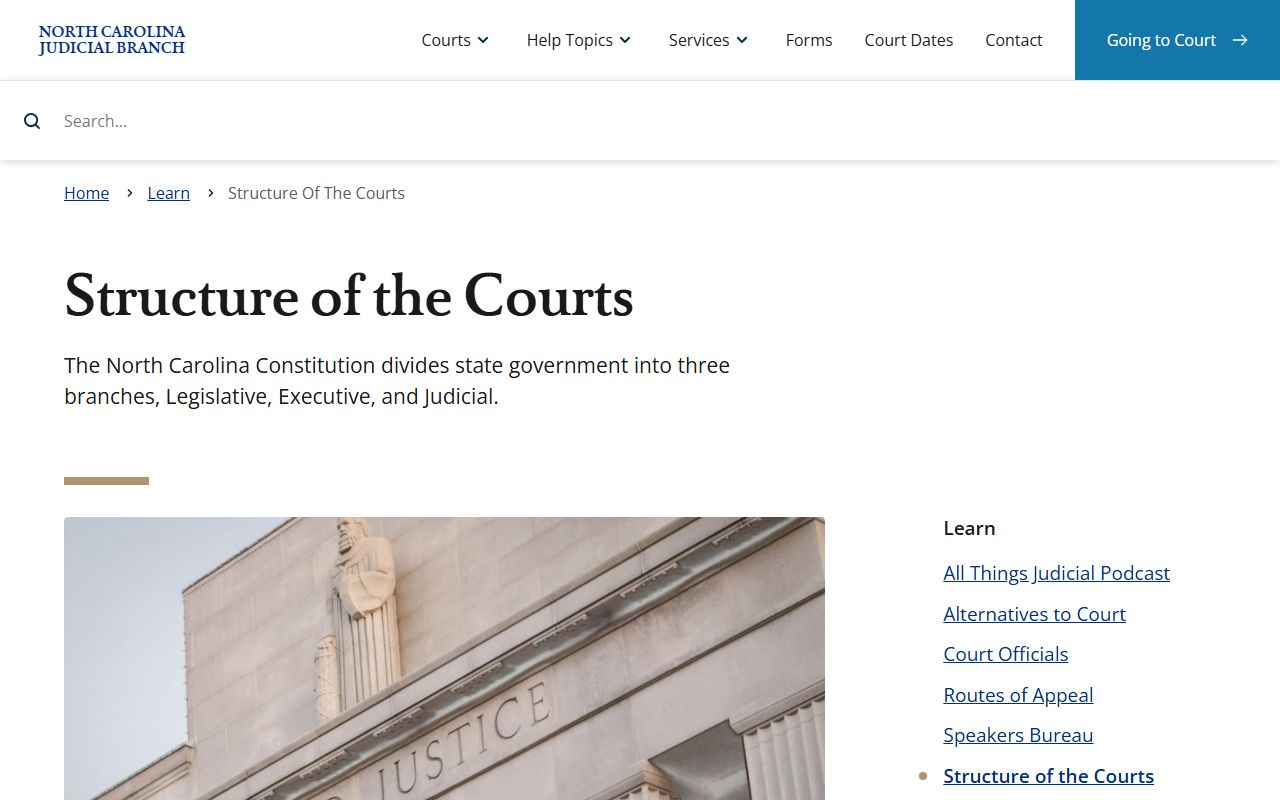
The state structure source explains why Alamance County docket records are handled through North Carolina trial courts rather than separate city court systems.
Alamance County Hearing Search Fields
Search Hearings is built for calendars. It is the better choice when a reader needs the next setting, a courtroom, or a hearing location. The search is not limited to party names. It can also use attorney and courtroom fields, which helps when a person has a common name or when a law office is tracking a calendar. Date range is important because a case may have several settings over time.
| Field Label | Type | Required | Options / Format Notes |
|---|---|---|---|
| Case number | Text | No | Search current calendars for hearing locations and times. |
| Party name | Text | No | Use for person parties when case number is unknown. |
| Business name | Text | No | Use for organization parties. |
| Attorney name | Text | No | Useful for counsel calendar searches. |
| Attorney bar number | Text | No | More exact than an attorney-name search. |
| Judicial officer | Text or dropdown | No | Search by judge or court officer when known. |
| Courtroom | Text or dropdown | No | Useful after a location or courtroom assignment is known. |
| County | Dropdown or filter | No | Use Alamance for county-specific dockets. |
| Date range | Date range | No | Find hearings during a specific window. |
Alamance County Civil and Criminal Calendars
Alamance County's official Judicial Branch location page separates civil and criminal work by courthouse. Civil matters, except marriages, are conducted at the Alamance County Historical Courthouse at 1 Court Square. Criminal matters are conducted at the Judge J.B. Allen Jr. Criminal Courthouse at 212 West Elm Street. Calendar questions should follow that split. A divorce hearing, civil motion, small-claims appeal, estate matter, or special proceeding points to the civil side. A misdemeanor, felony, infraction, traffic citation, bond matter, or criminal court date points to the criminal side.
The state court structure source used for one manifest image is Types of courts.
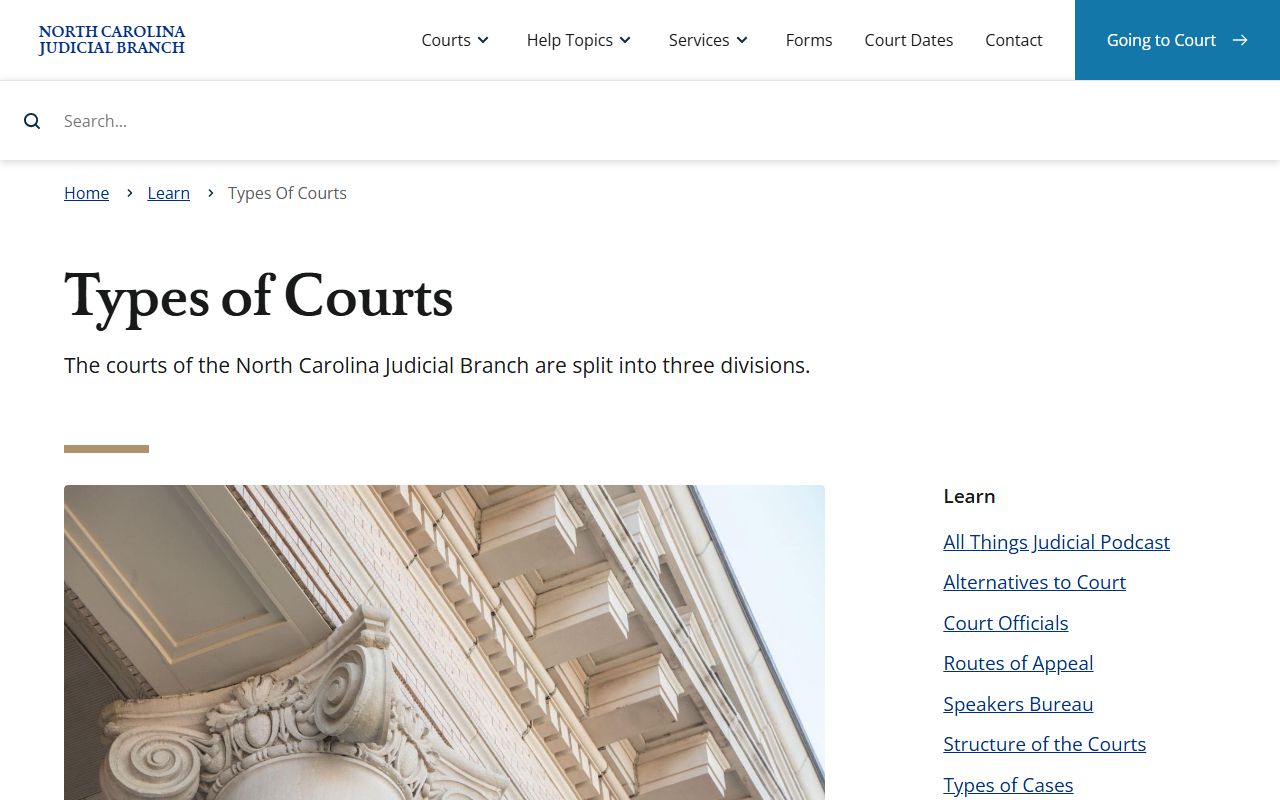
That state structure matters locally because docket access follows the Superior Court and District Court divisions, not city-run court calendars.
| Court or Calendar Path | What It Covers | Local Record Point |
|---|---|---|
| District Court criminal and traffic | Misdemeanors, infractions, traffic, preliminary criminal settings, and many high-volume hearings. | Judge J.B. Allen Jr. Criminal Courthouse, 212 W. Elm Street. |
| Superior Court criminal | Felony proceedings, indictments, pleas, trials, sentencing, and appeals from District Court where applicable. | Criminal courthouse and District Attorney office. |
| Civil and domestic calendars | Civil actions, divorce, custody, support, protective orders, small claims appeals, and related motions. | Alamance County Historical Courthouse, 1 Court Square. |
| Estates and special proceedings | Estate administration, guardianship, special proceedings, and clerk hearings when public. | Clerk of Superior Court as probate judge for estates. |
Docket vs Full Case Record
A docket is a map of activity. It may show that a motion was filed, a hearing was held, a continuance was granted, a plea was entered, or a judgment was signed. The full case record is the file behind those entries. For example, a docket entry may say an order was entered, while the record copy of that order contains the exact terms. For serious review, certified copies, or a complete paper file, the Clerk of Superior Court is still the access point.
| Point of Comparison | Docket | Full Case Record |
|---|---|---|
| Main use | Track events, hearing dates, and case status. | Review documents, orders, judgments, and filings. |
| Common access | Search Hearings, Smart Search events, calendars, and clerk schedule checks. | Smart Search documents when public, clerk counter, paper file, or certified copy request. |
| What may be missing | Full text of pleadings, exhibits, sensitive details, and complete orders. | Restricted items, sealed filings, juvenile material, and redacted information. |
| Best for | Finding a court date or seeing case progress. | Confirming the legal text of what was filed or ordered. |
Alamance County Judgment Search
NC Judgment Search is a separate Portal function. It is not the same as Search Hearings. It searches North Carolina judgment indexes by party or case number, with filters for case type, status, location, and judgment date. Research for Alamance County notes that judgment results may include a case number, disposition status, index date or time, parties to the action, and judgment comments relevant to disposition. After finding a judgment result, Smart Search can help locate the related case summary.
A judgment can affect collection, liens, possession, money owed, sentence, or another enforceable court result. Civil and small-claims judgment questions may point to the civil courthouse. Criminal judgment questions point to the criminal courthouse. Certified judgment copies and paper-file review should be requested from the Clerk of Superior Court rather than from a general public-records form.
Missed Alamance County Court Dates
Missed court dates have direct docket consequences. The official criminal-case help topic says missing court or arriving late may be treated as Failure to Appear, and a judge may issue an order for arrest. The missed-court-date guidance says failure to appear in a motor vehicle offense can lead to driver's license revocation and NCDMV fees. That makes Search Hearings important, but it also means the clerk should be contacted right away when a hearing was missed or a date cannot be found.
The same missed-date rules affect criminal dockets and traffic dockets, especially when an order for arrest or license action follows a failure to appear.
Note: A court date found online should be verified with the clerk if the hearing is soon or the case changed recently.
Alamance County Dockets by Court
Alamance County is in Prosecutorial District 17, Superior Court District 17, and District Court District 17. The state court hierarchy is the reason docket records move between levels. District Court handles many first settings and high-volume matters. Superior Court handles felonies, larger civil cases, and appeals from District Court. Appeals after trial court review may go to the North Carolina Court of Appeals and, in some cases, the Supreme Court of North Carolina.
The official Superior Court source used by the manifest is North Carolina Superior Court.
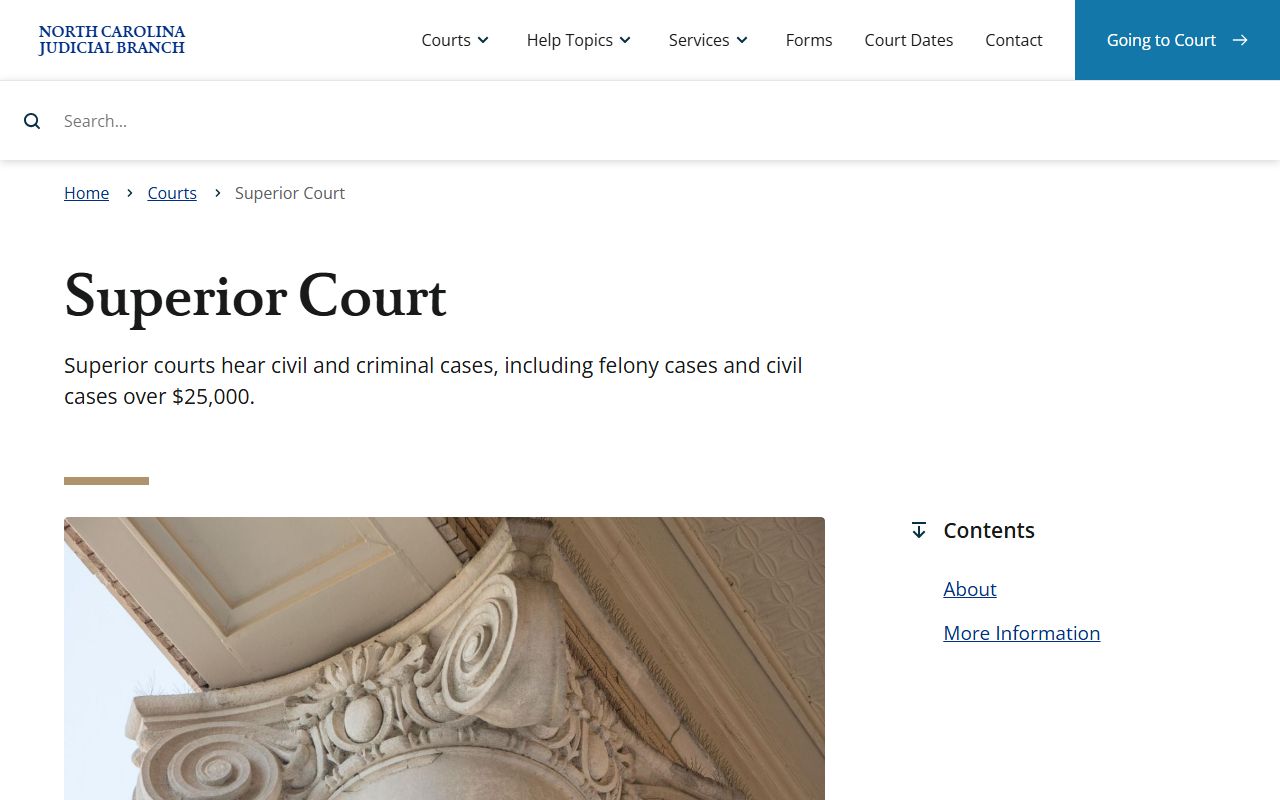
Superior Court docket entries are especially important for felony cases, larger civil trials, and appeals from District Court.
The official District Court source used by the manifest is North Carolina District Court.
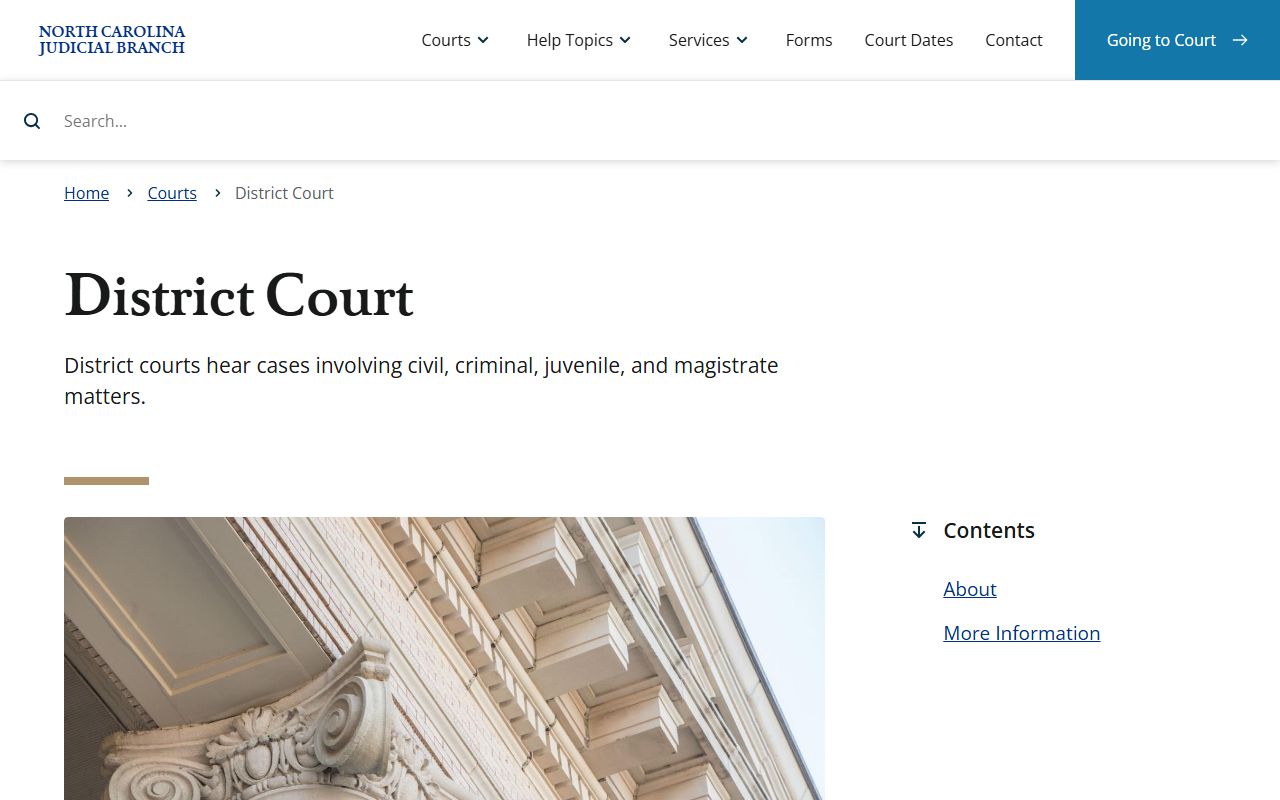
District Court docket searches cover many local matters, including traffic, infractions, misdemeanors, domestic issues, small claims, and juvenile matters when public access is allowed.
The appellate source used by the manifest is North Carolina Court of Appeals.
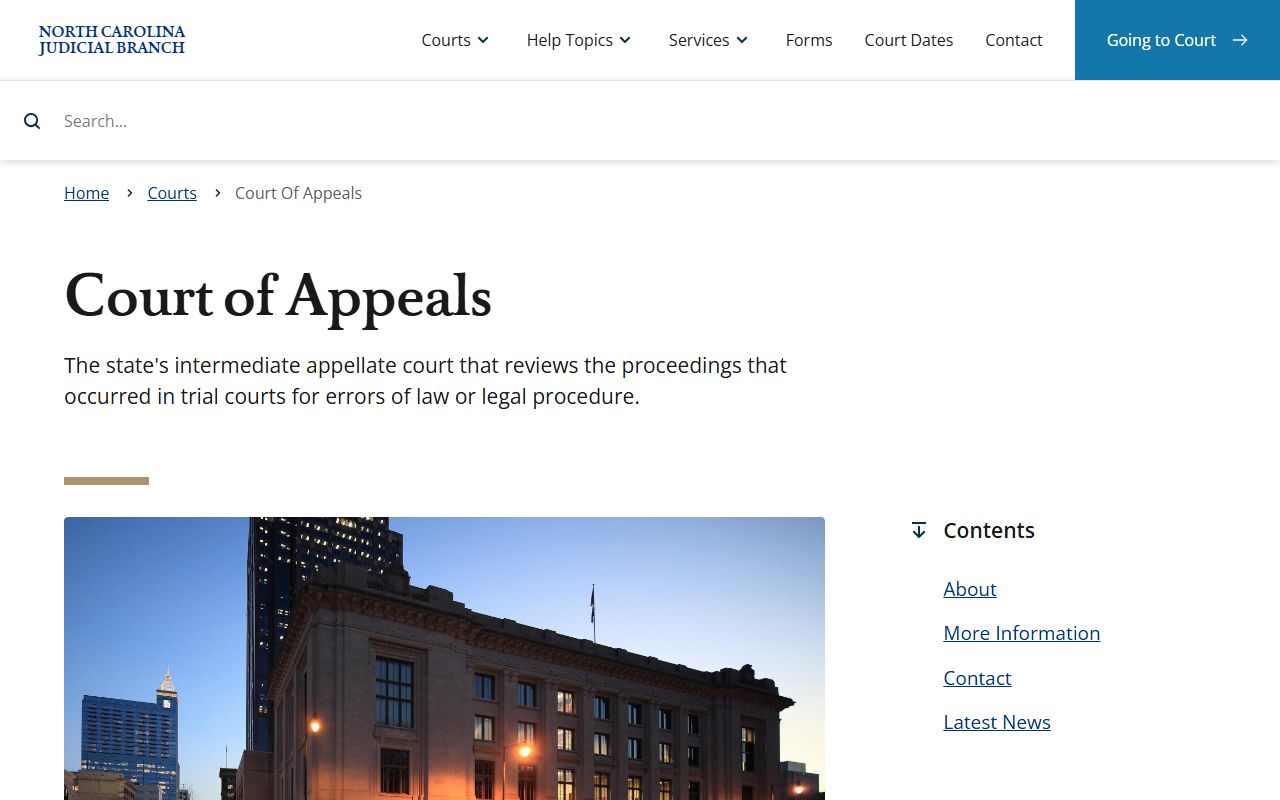
Appeals are separate from ordinary trial-court calendar checks, but the trial docket may show notices and steps that lead toward appellate review.
Federal Dockets Near Alamance County
Federal cases are not Alamance County court dockets. Alamance County is within the federal Middle District of North Carolina, and federal district court records are searched through federal systems such as PACER/CM-ECF. The Middle District has offices in Greensboro, Winston-Salem, and Durham, with case-related calls routed to the federal clerk. A federal criminal case, bankruptcy matter, federal civil-rights case, or federal agency case should not be requested from the Alamance Clerk of Superior Court.
The manifest image below comes from the Middle District court-location source: Middle District court locations.
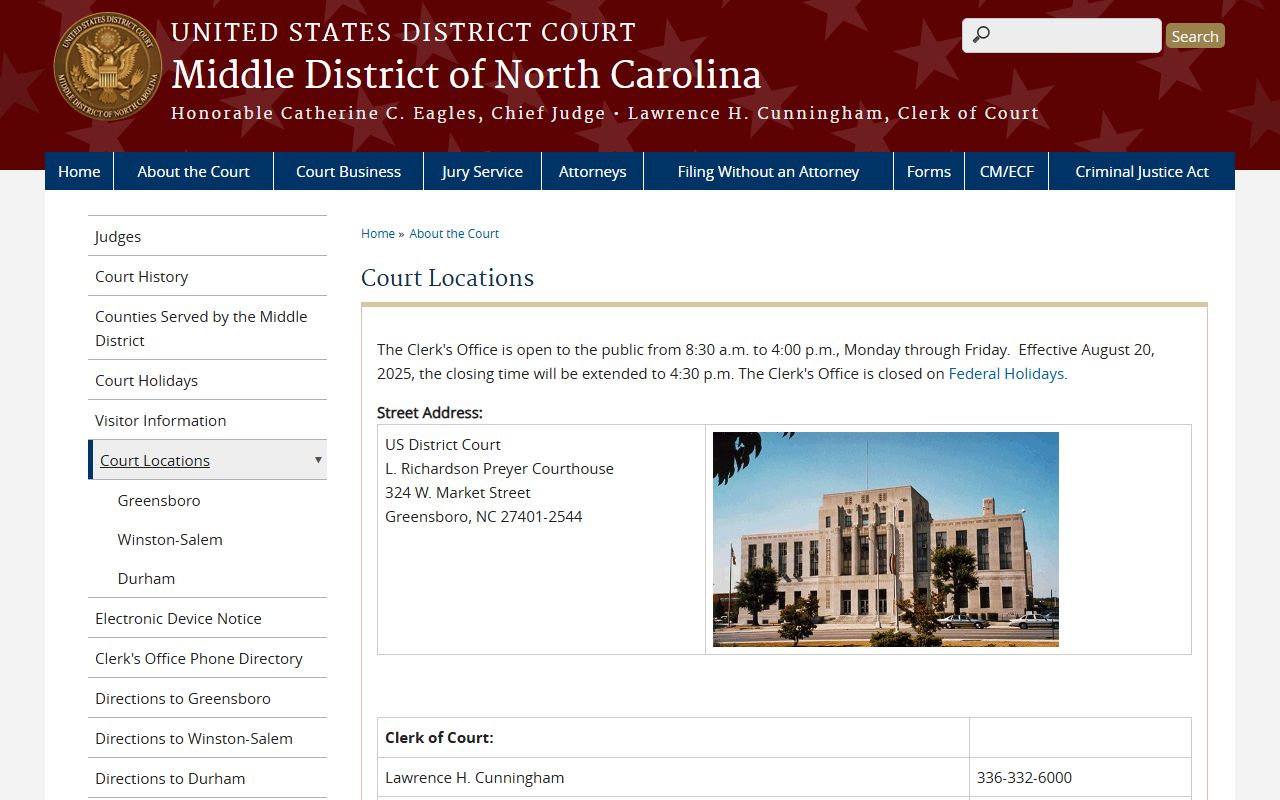
That federal route is separate from NC eCourts and should be used only when the case is in federal court.
Alamance County Docket Help
The Clerk of Superior Court is the local fallback when online docket information is incomplete, a hearing moved, a case is not visible, or a certified copy is needed. For civil calendars and civil files, use the Alamance County Historical Courthouse at 1 Court Square. For criminal and traffic calendars, use the Judge J.B. Allen Jr. Criminal Courthouse at 212 West Elm Street. The District Attorney, magistrates, and Public Defender have related roles, but the clerk is the record and calendar access point for court records.
Civil Clerk and Calendars
Alamance County Historical Courthouse
1 Court Square
Graham, NC 27253
336-570-5200
Criminal Clerk and Calendars
Judge J.B. Allen Jr. Criminal Courthouse
212 W. Elm Street
Graham, NC 27253
336-570-5202