
Alamance County Probate Records Overview
North Carolina probate is handled through the elected Clerk of Superior Court. The state estates help topic states that the elected clerk in each county acts as the probate judge, with elected clerks and assistant clerks holding most estate hearings and presiding over most estate cases. In Alamance County, that places estate administration at the civil courthouse in Graham.
Probate records may include an original will, the application or petition to open the estate, oaths, letters testamentary, letters of administration, bond papers, resident process agent forms, family history affidavits, inventories, annual and final accounts, creditor notices, claims, year's allowance, affidavit for collection of personal property, orders, hearing notices, receipts, and closing paperwork. Some estate matters appear in NC eCourts Portal when nonconfidential. Paper estate files and certified copies require clerk contact or an in-person visit.
The North Carolina Judicial Branch estates help topic identifies the Clerk of Superior Court role in Alamance County probate records.
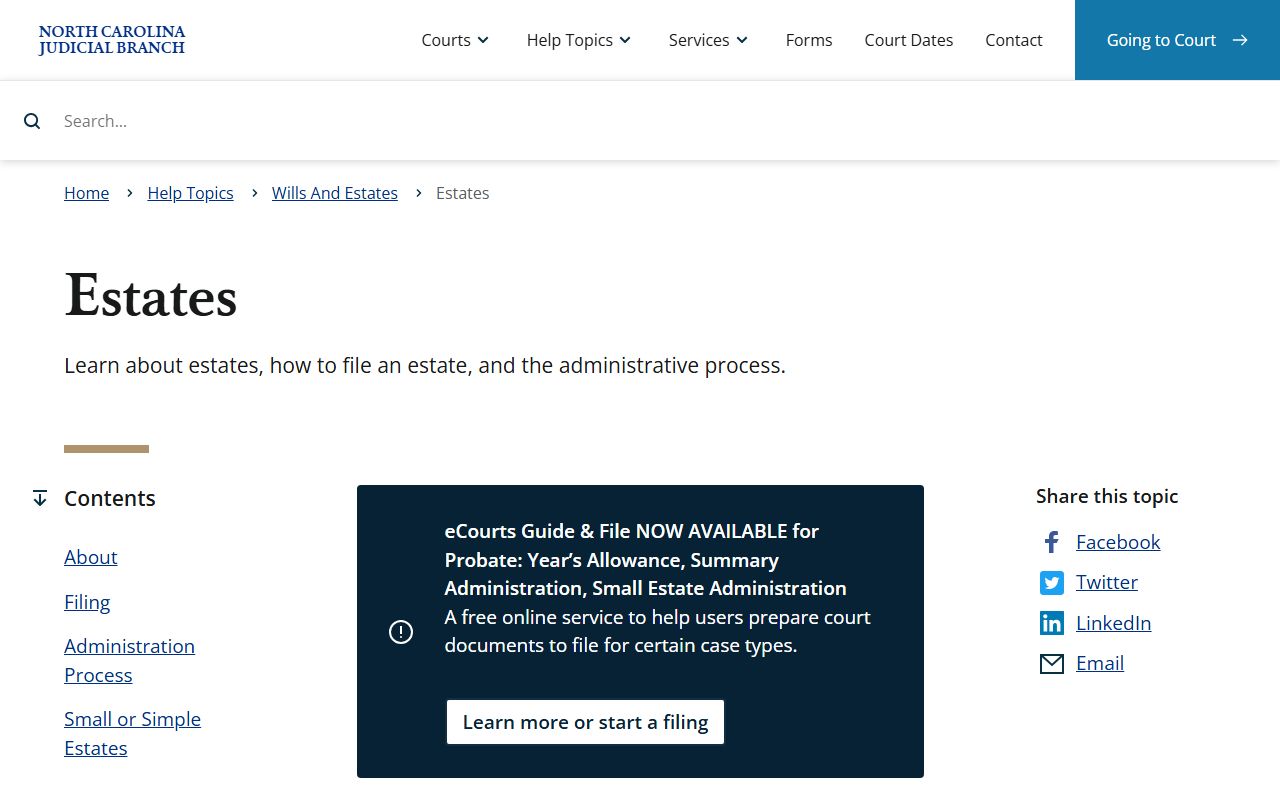
This state source is the controlling venue distinction for estates handled by the clerk rather than by a separate probate court.
Alamance County Probate Venue
The probate venue for Alamance County is the Clerk of Superior Court at the civil courthouse. Civil matters, except marriages, are handled at the Alamance County Historical Courthouse. That same location is the route for estate filings, probate questions, paper estate files, and certified copy requests tied to estate records. Criminal and traffic matters are at a different courthouse, so estate visitors should not default to the criminal courthouse address.
Clerk of Superior Court as probate judge for estates
Alamance County Historical Courthouse
1 Court Square
Graham, NC 27253
336-570-5200
Monday-Friday, 8:00 AM-5:00 PM
Note: A caveat that challenges the validity of a will is heard by a Superior Court judge, not finally decided in the normal clerk estate hearing path.
Alamance County Probate Terms
Estate records use terms that are easy to mix up. The following definitions match the role those terms play in a North Carolina estate file and in the Alamance County Clerk of Superior Court process.
- Testator
- The person who made a will before death.
- Executor
- The person named in a will to carry out estate administration after authority is issued.
- Administrator
- A person appointed when there is no executor available or no valid will naming one.
- Intestate
- Dying without a valid will, which means estate distribution follows North Carolina law.
- Guardianship
- A court-supervised matter for a person or property interest that may include sensitive information.
- Caveat
- A challenge to the validity of a will that can move before a Superior Court judge.
Search Alamance County Probate Records
Nonconfidential Alamance County estate cases may be searched in the NC eCourts Portal under Estates. The research identifies Smart Search as the main route. A search can use the decedent name, party name, case number, attorney, business, cross-reference, or nickname, then narrow by Alamance location and estate case type. Filing-date range helps when the date of death or estate opening is known.
| Field Label | Type | Required | Options / Format Notes |
|---|---|---|---|
| Smart Search | Text | No | Search by decedent, party, case number, attorney, business, cross-reference, or nickname. |
| Case type | Dropdown/filter | No | Use Estates when available. |
| Location | Dropdown/filter | No | Use Alamance for county-specific narrowing. |
| Filing date range | Date range | No | Useful when the date of death or estate opening is known. |
| Case status | Dropdown/filter | No | Open or closed status filter exists, but exact static options were not visible. |
- Start with NC eCourts Portal Smart Search and enter the decedent name, party name, or case number.
- Filter by Alamance location and use Estates as the case type when that option is available.
- Use filing-date range if the approximate death date or estate opening date is known.
- Contact the Alamance Clerk of Superior Court when the file is older, not visible online, needs certification, or may be restricted.
Alamance County Small Estate Records
Small estate or collection by affidavit handling may be available for limited personal property estates. The research cites official form snippets stating that the affidavit process may apply when personal property less liens and encumbrances does not exceed $20,000 for a decedent dying on or after October 1, 2009. The threshold may be $30,000 when the surviving spouse is the sole heir or devisee.
At least 30 days must have passed since death. No application or petition for appointment of a personal representative may be pending or granted in any jurisdiction. These limits affect whether the estate can use the affidavit path or needs fuller administration before the Clerk of Superior Court.
| Estate Cost or Threshold | Amount |
|---|---|
| Small estate personal property threshold for covered deaths | $20,000 |
| Small estate threshold when surviving spouse is sole heir or devisee | $30,000 |
| Small estate filing fee from researched snippet | $120 |
| Register of Deeds certified copies, if a recorded vital or property copy is needed | $5 first page; $2 each additional page |
| Register of Deeds uncertified copies, if a recorded vital or property copy is needed | $0.25 per page |
Estate court costs are published through the Judicial Branch current court-costs materials. When an estate filing uses e-filing, mail, or in-person delivery, the clerk's office should confirm current cost and payment handling before submission.
Alamance County Estate Process
The probate process in Alamance County follows the clerk-centered North Carolina model. The filing party first determines whether the decedent left a will and whether the estate qualifies for small-estate handling. The original will, if one exists, and supporting papers go to the clerk. Clerk or assistant clerk review controls the opening of the estate and the authority issued to the personal representative.
Estate flow: Will or no will › Clerk filing › Clerk review › Letters or affidavit authority › Notice and claims › Inventory and accountings › Closing papers › Superior Court judge if a will caveat challenges validity.
After authority is issued, the personal representative handles required notices, inventory, creditor claims, taxes, distributions, accountings, and closing documents. Some matters are routine. Others need hearings, additional filings, or legal advice from a private attorney because the clerk's office cannot act as counsel for the estate.
Restricted Alamance County Probate Records
Most estate files are public unless restricted, but probate-adjacent matters can include sensitive information. Guardianships and incompetency matters may contain medical, financial, or personal details. Those components may not be available through the same public search path as a routine estate administration file.
Older estate files may require clerk retrieval rather than Portal-only searching. Certified copies, paper-file inspection, and questions about sealed or restricted components should be directed to the Alamance Clerk of Superior Court. Marriage certificates and land documents that help prove family or property facts are Register of Deeds records, not estate case files, even when they support an estate task.
The Alamance County Register of Deeds fee schedule is relevant when estate work requires recorded deed or certified copy support outside the probate file.
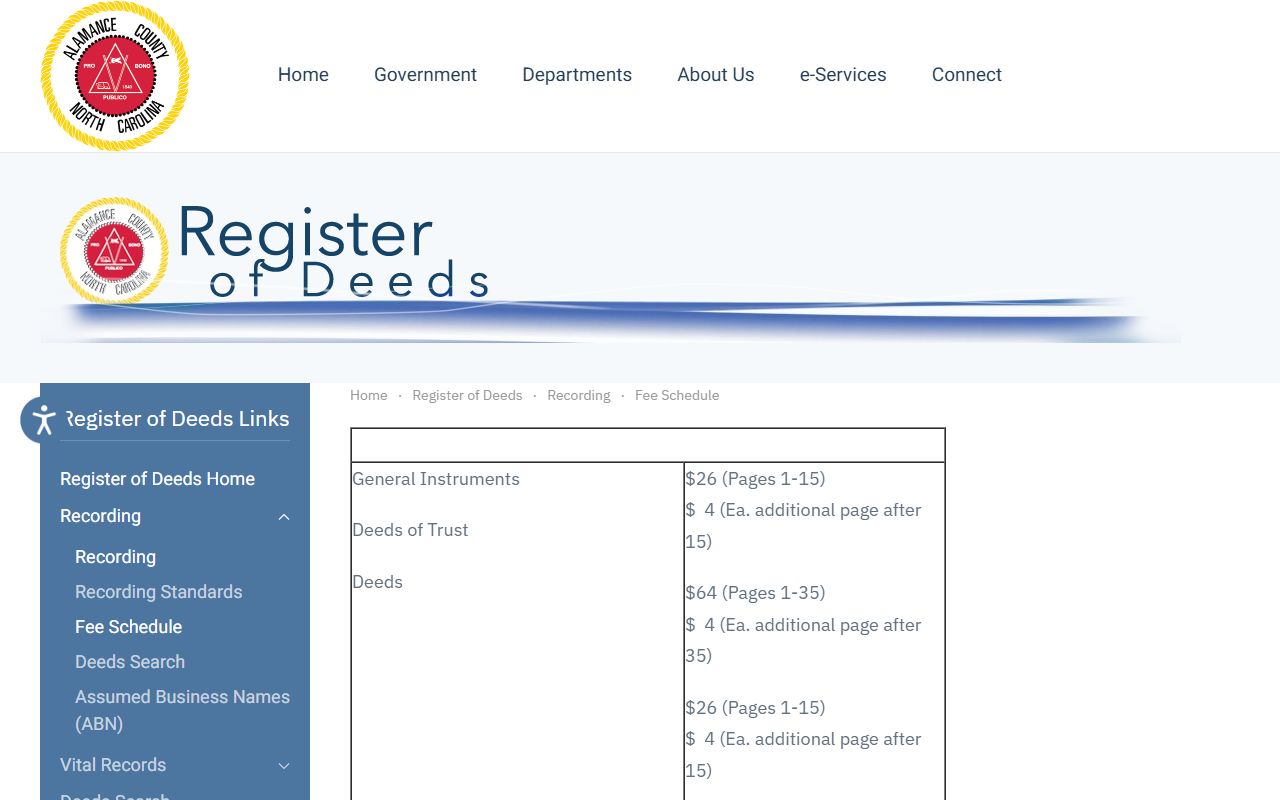
That office supports estate research with recorded documents, but it does not replace the clerk's estate case file.
The county performance page for the Register of Deeds documents preservation and indexing work that can matter for older family and property searches.
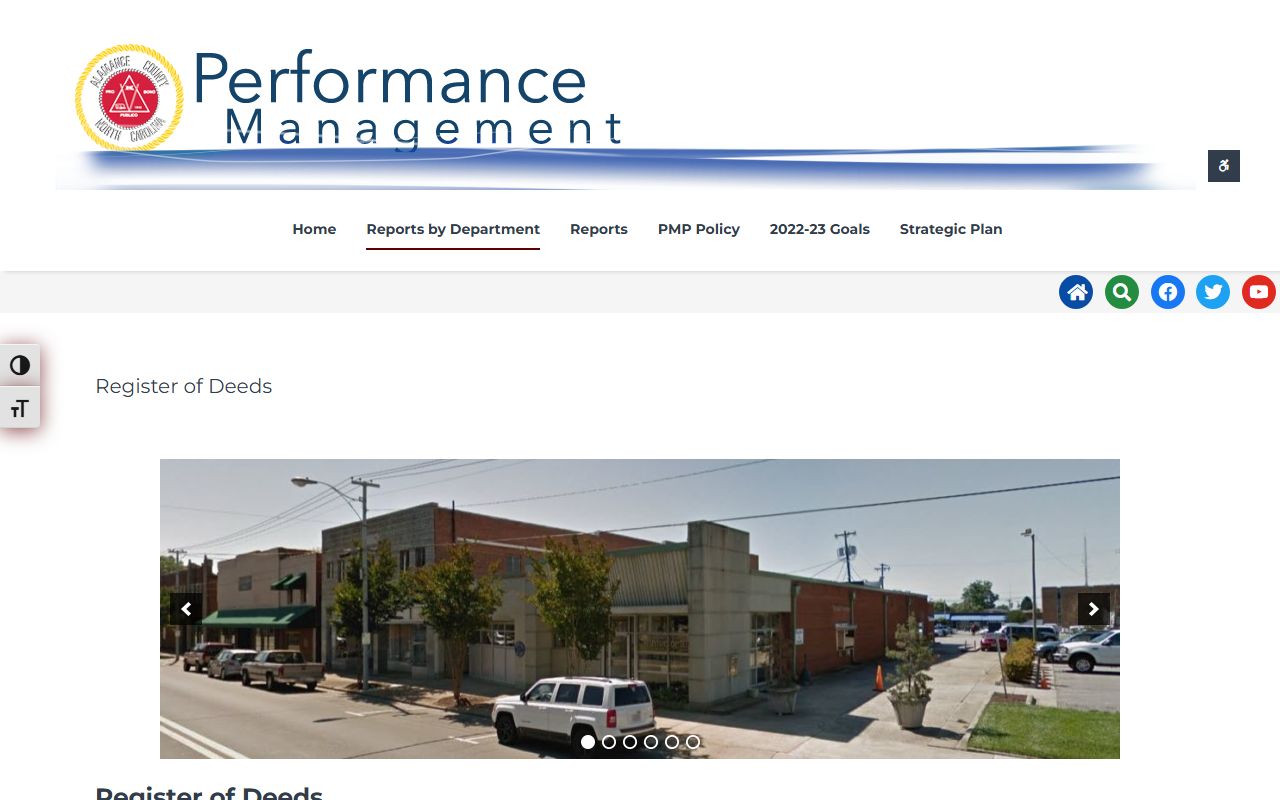
For older supporting records, indexing and preservation can affect how fast a document is found.
North Carolina Probate Support Records
Some estate tasks require vital records, such as a death certificate or proof of family relationship. N.C. Vital Records provides statewide certificate ordering and genealogy guidance, while Alamance County Register of Deeds handles local certified vital copies within its authority. These records support a probate filing, but they are not the probate file itself.
The North Carolina Vital Records fees page is a state certificate source that may be used alongside Alamance County probate records.
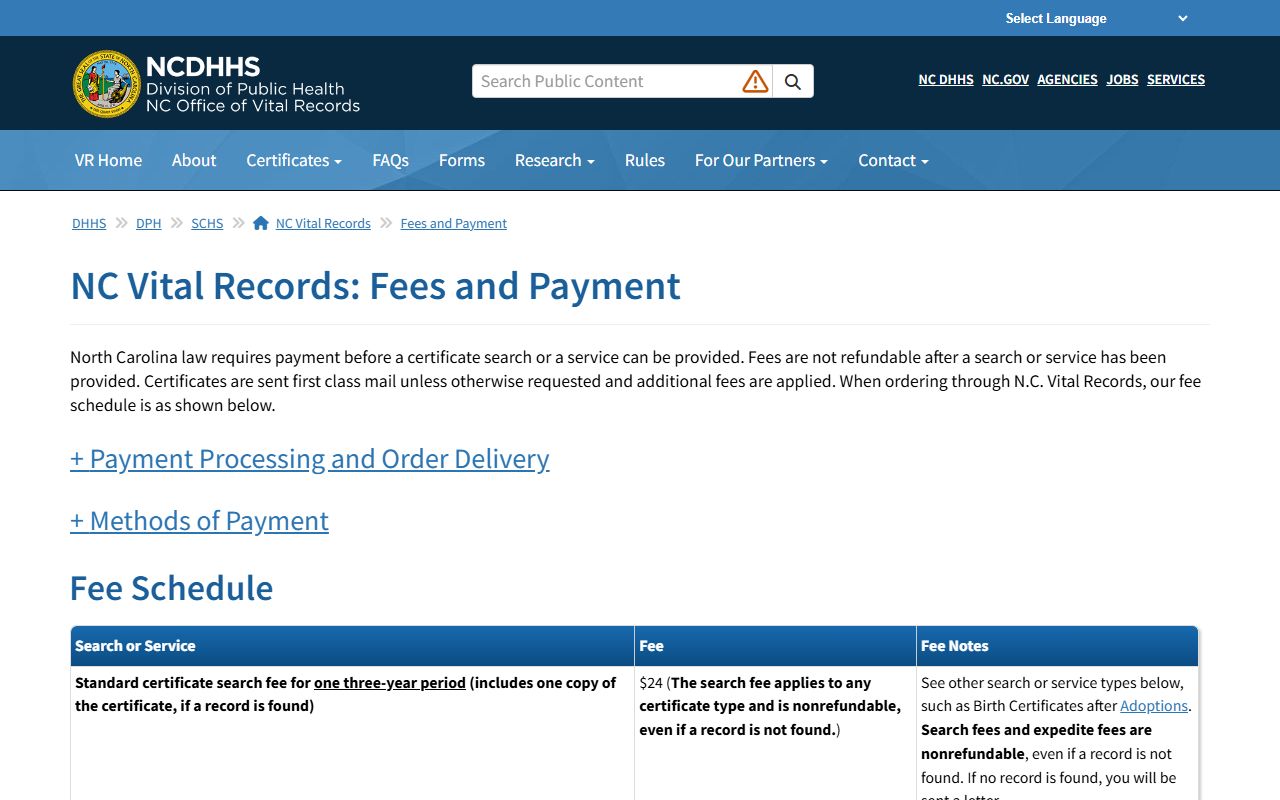
Use state certificate ordering for vital records, then file estate papers through the clerk when probate authority is needed.
The North Carolina Vital Records genealogy guidance is separate from court estate administration.
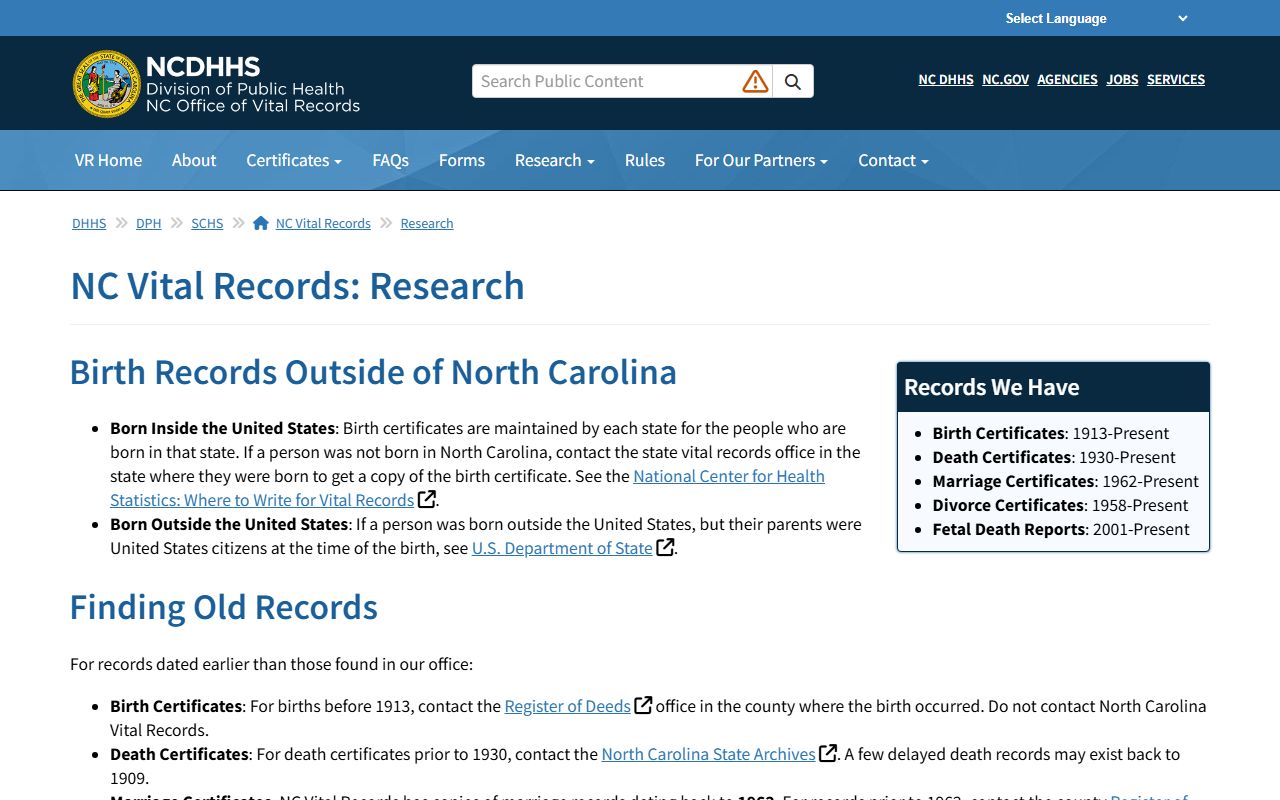
Genealogy sources can help identify family history, but court authority comes from the Alamance Clerk of Superior Court estate file.